Takamatsu ⇔ Kobe / Sannomiya: Why the Highway Bus Is a Better Deal Than the Train!Complete Guide to Fares, Facilities, and Access
If you take the highway bus between Takamatsu and Kobe/Sannomiya, the trip takes about 3 hours and costs from around ¥4,000 one way. However, if it’s your first time taking a highway bus, you might feel a little unsure!
In this article, we’ll thoroughly explain everything about the Takamatsu–Kobe/Sannomiya route, including the bus stops, onboard facilities, fare comparisons, and recommended places to visit after arriving in Sannomiya.
Let’s take a comfortable and affordable highway bus trip from Takamatsu to Kobe/Sannomiya!
▼ In short, this is the kind of bus you can expect! (As of August 2025)
② Buses run almost every hour, so it’s easy to ride whenever you want!
③ Comfortable reclining seats with power outlets for a pleasant ride
※ Features may vary depending on the bus you ride. Please note this in advance.
Contents
- What Is the Highway Bus Between Takamatsu and Kobe/Sannomiya?
- How to Get from JR Takamatsu Station to the Bus Terminal
- Facilities on the Takamatsu–Kobe/Sannomiya Bus
- Riding the Takamatsu–Kobe/Sannomiya Bus
- Three Recommended Spots to Visit After Arriving in Sannomiya
- The Takamatsu–Kobe/Sannomiya Route: A Convenient 3-Hour Bus Trip
What Is the Highway Bus Between Takamatsu and Kobe/Sannomiya?
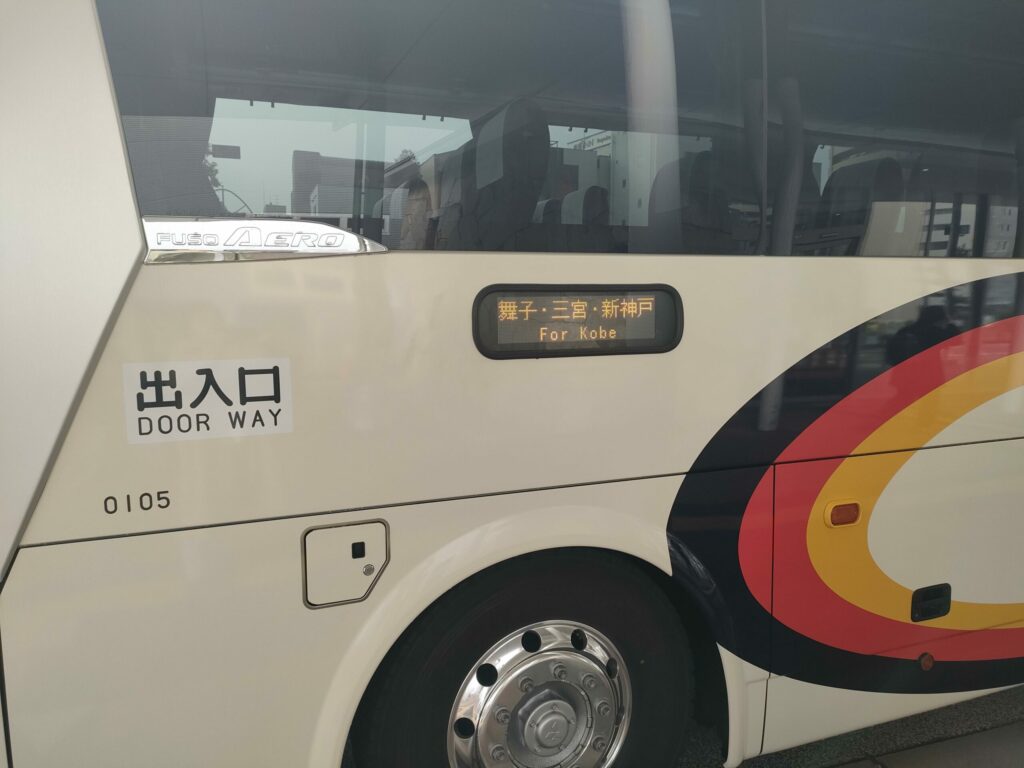
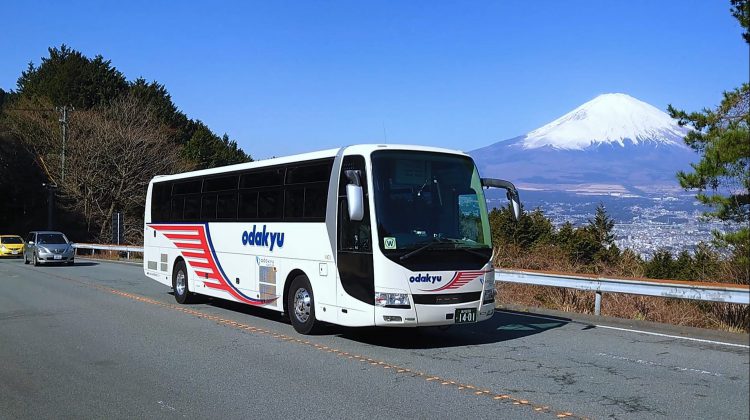
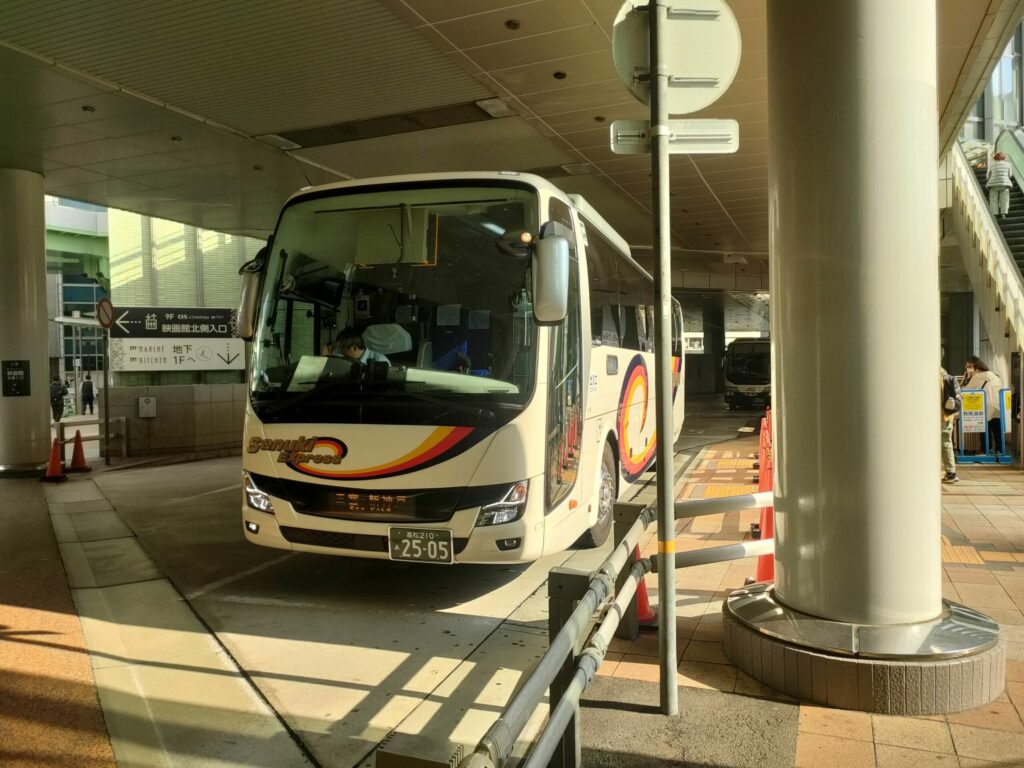
The highway bus running between Takamatsu and Kobe/Sannomiya departs from Takamatsu Station Express Bus Terminal and stops at locations such as Expressway Maiko, Sannomiya Bus Terminal, Shin-Kobe Station, and Universal Studios Japan.
※ Stops vary depending on the service.
※ Some buses continue toward Osaka, so please be careful not to confuse them.
Several bus companies operate this route, including Shikoku Kosoku Bus, Foot Bus, Shinki Bus, JR Shikoku Bus, JR West Bus, and Hankyu Bus.
For example, some companies operate routes such as:
Kokubunji Bus Terminal ⇔ Nankai Namba via Kobe/Sannomiya Bus Terminal
・JR Shikoku Bus
Takamatsu Station Express Bus Terminal ⇔ Shin-Kobe Station
・Shikoku Kosoku Bus
Marugame Station ⇔ Osaka (Sanbangai) via Kobe/Sannomiya Bus Terminal
This is a very popular route, so buses run several times per hour during busy periods and at least once per hour during the daytime.
Comparing Cost Performance: Highway Bus vs. Train
Traveling between Takamatsu and Sannomiya is actually much cheaper by highway bus than by train. The travel time difference is only about 40 minutes, so the bus is definitely worth considering.
>>Click here to make a reservation:
https://japanbusonline.com/en/CourseSearch/12800080001
How to Get from JR Takamatsu Station to the Bus Terminal
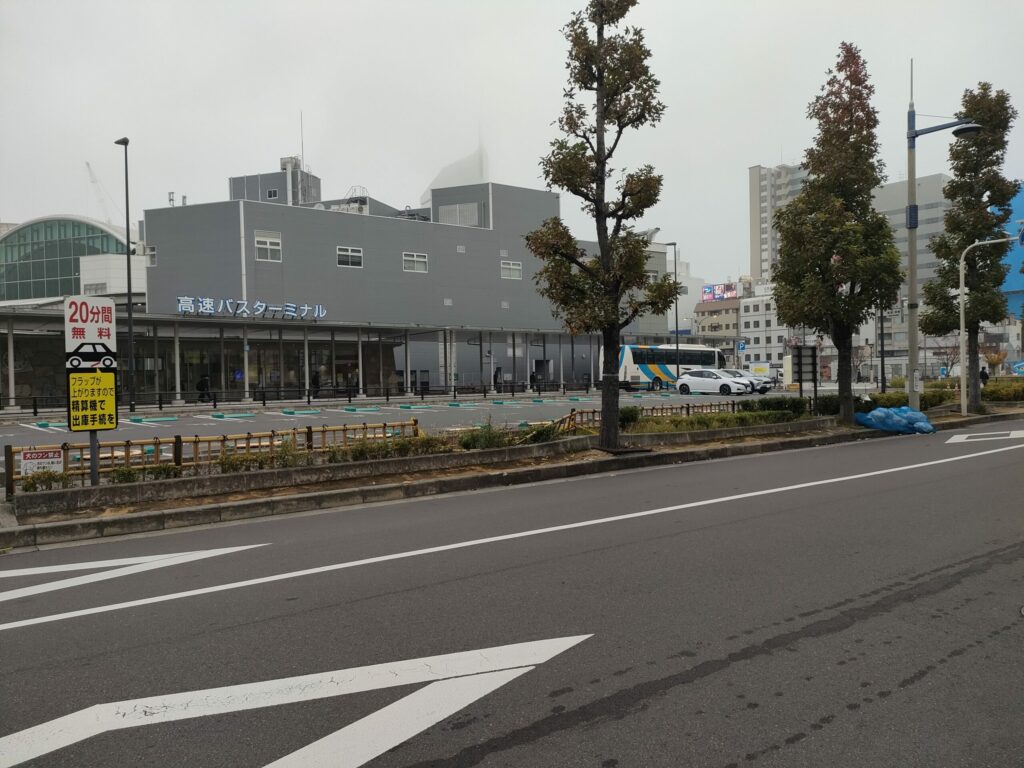
Some buses depart from Kokubunji Bus Terminal or Marugame, but here we’ll assume you’re leaving from Takamatsu Station Express Bus Terminal and explain how to get there.
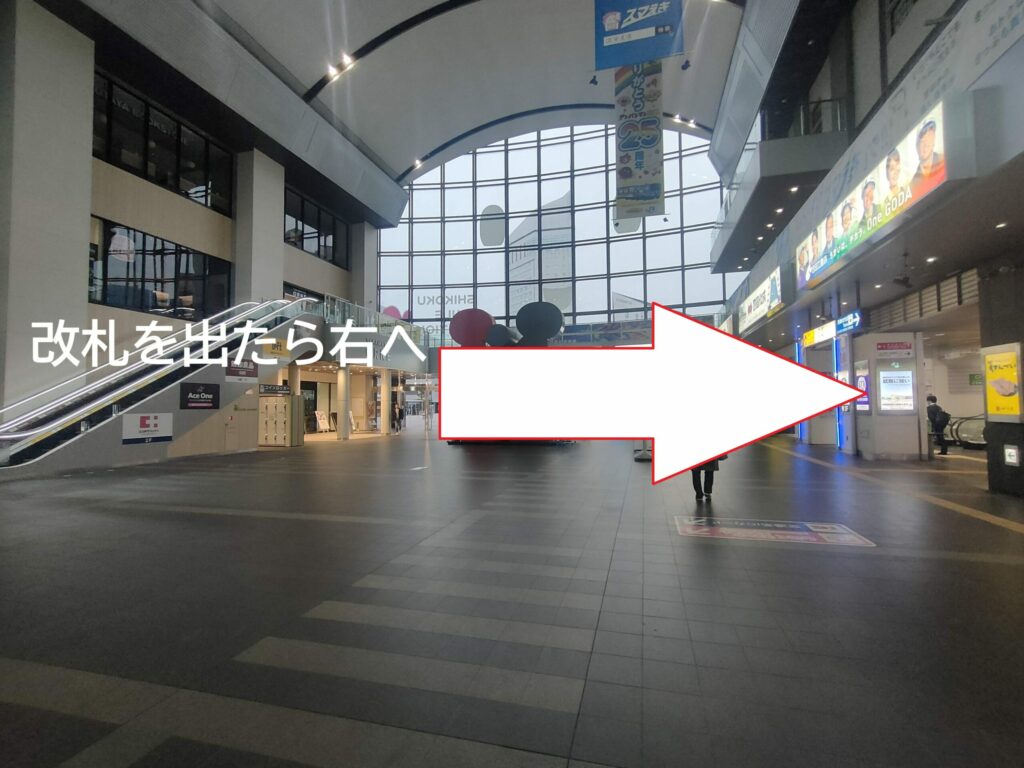
After exiting the ticket gates at JR Takamatsu Station, turn right down the passageway.
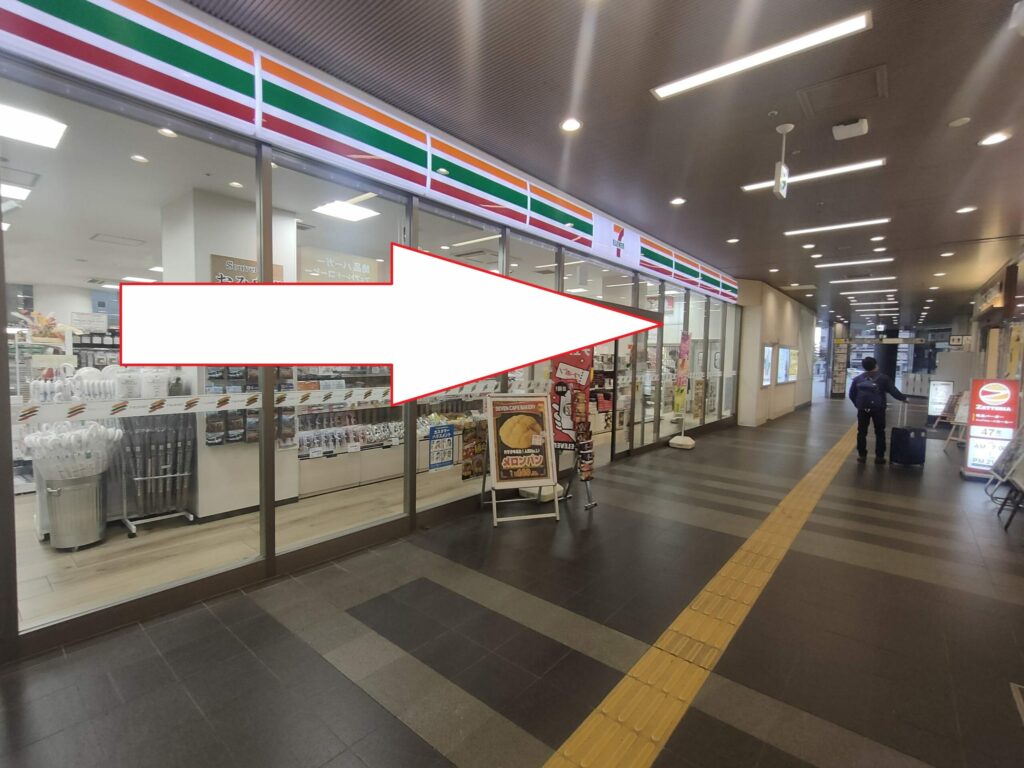
After passing the 7-Eleven, you will start to see the outside.
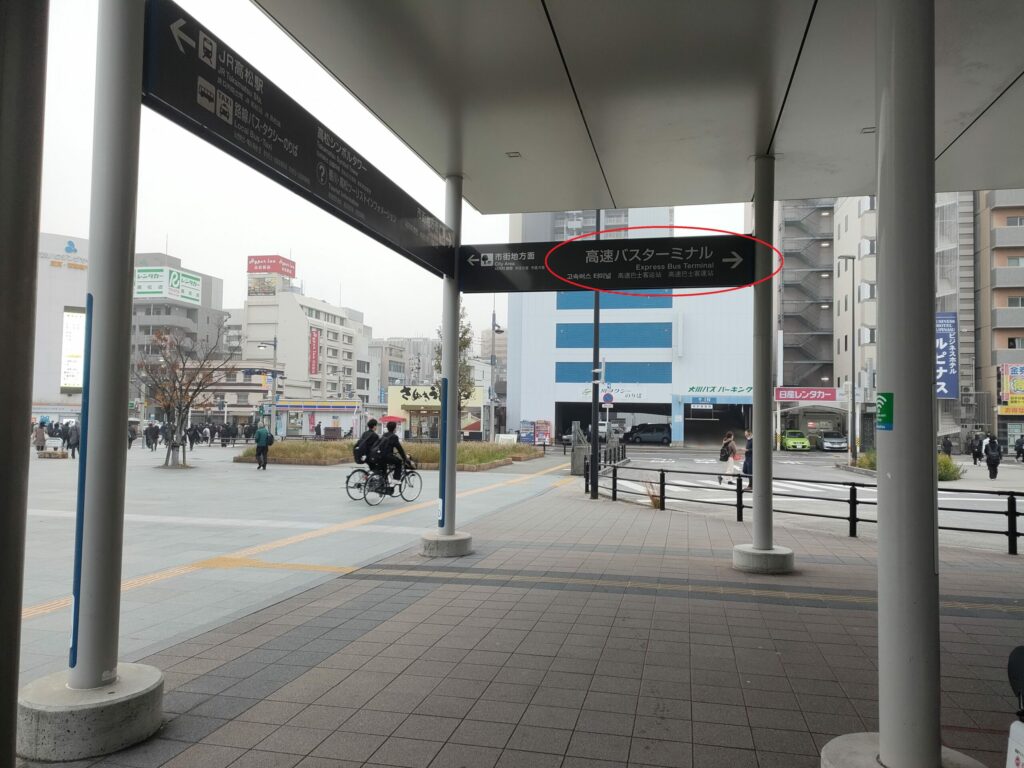
Once you are outside, turn right.

Follow the signs and you will arrive at the express bus terminal. It takes only 2–3 minutes from the ticket gates, making it extremely convenient!
Important Tips When Purchasing Tickets
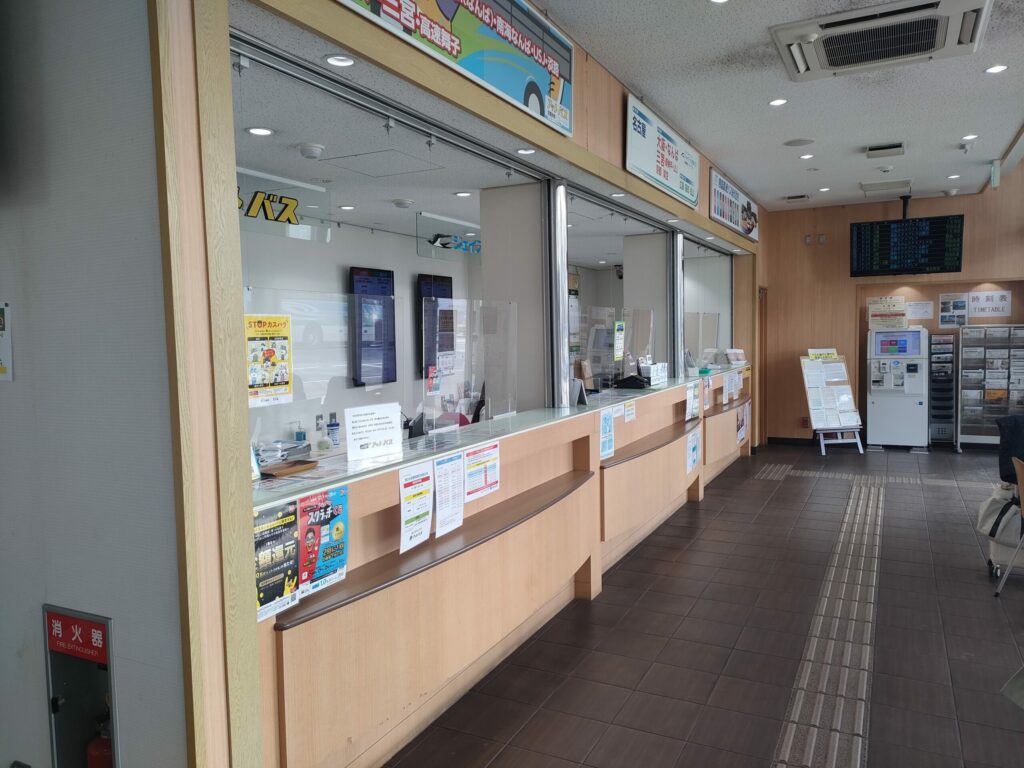
At the Takamatsu Station Express Bus Terminal, the ticket counters for Foot Bus, JR Shikoku Bus, and Shikoku Kosoku Bus are lined up separately.
If you plan to purchase a ticket on the day of travel, check the timetable and buy your ticket from the company with the earliest departure.
Tickets can also be purchased from ticket machines.
Facilities on the Takamatsu–Kobe/Sannomiya Bus
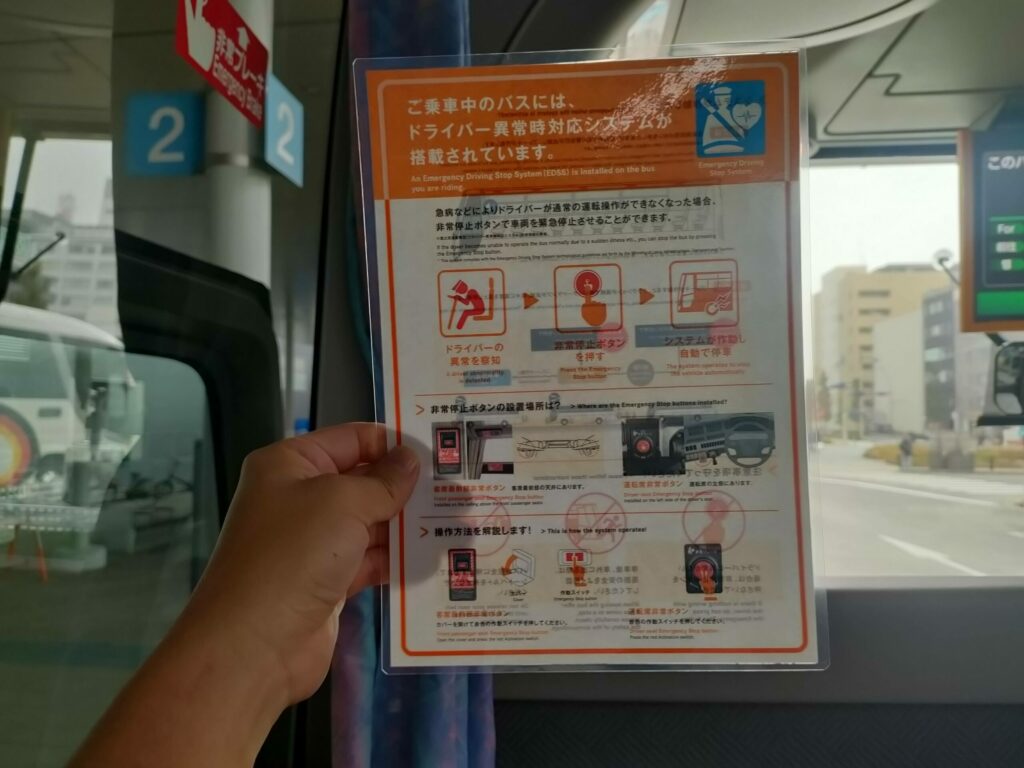
Next, let’s take a closer look at the facilities available on the Takamatsu–Kobe/Sannomiya route.
※ Multiple bus companies operate this route, so the vehicle may differ depending on the service.
◼︎ Luggage
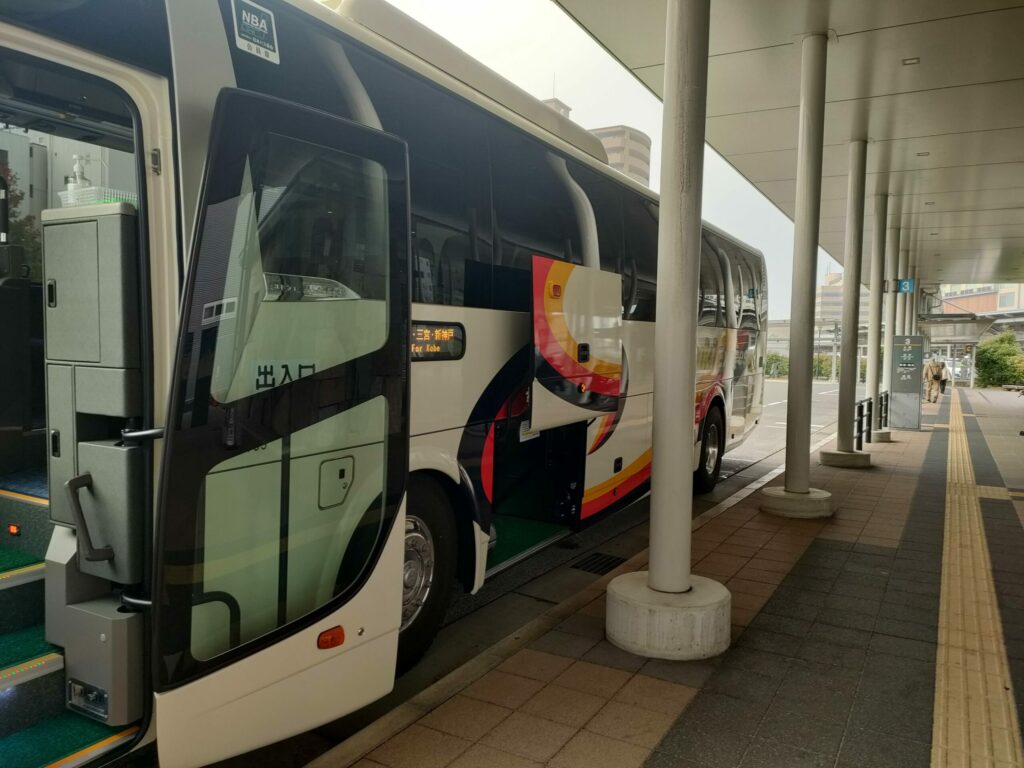
Luggage can be stored above your seat or in the trunk under the bus.
If you store items in the trunk, keep in mind that vibrations during the ride could occur.
Fragile items such as cameras are safer to keep with you inside the bus.
◼︎ Seats
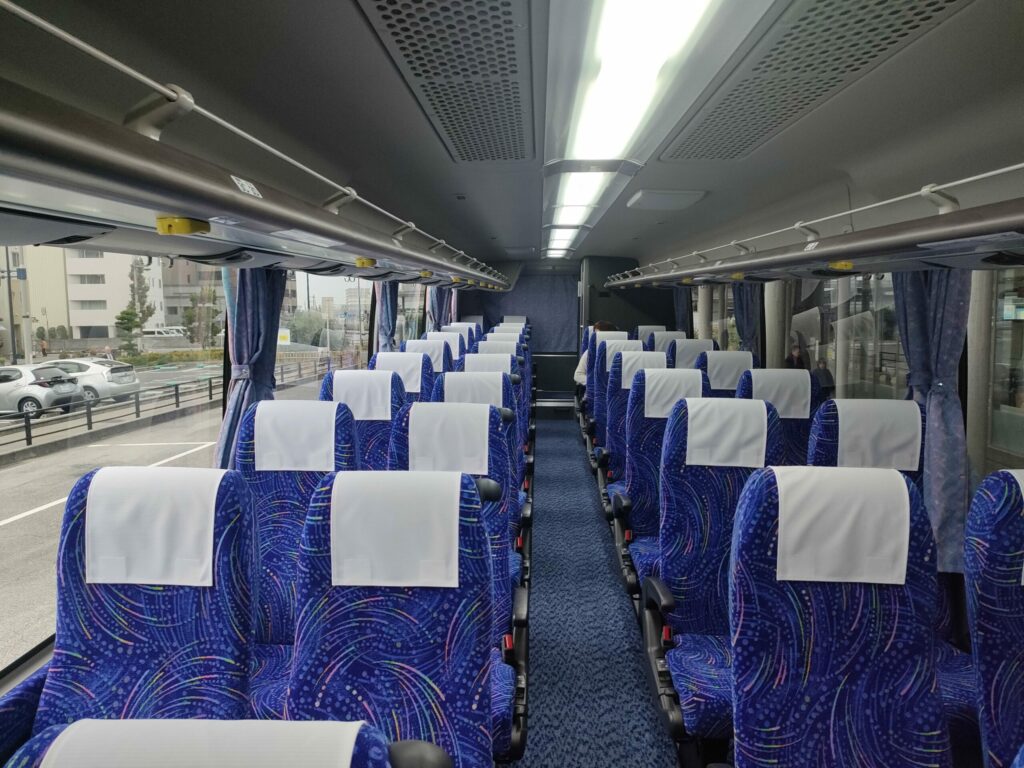
On the day we rode, the bus had a four-row seating layout with extra space between seats.
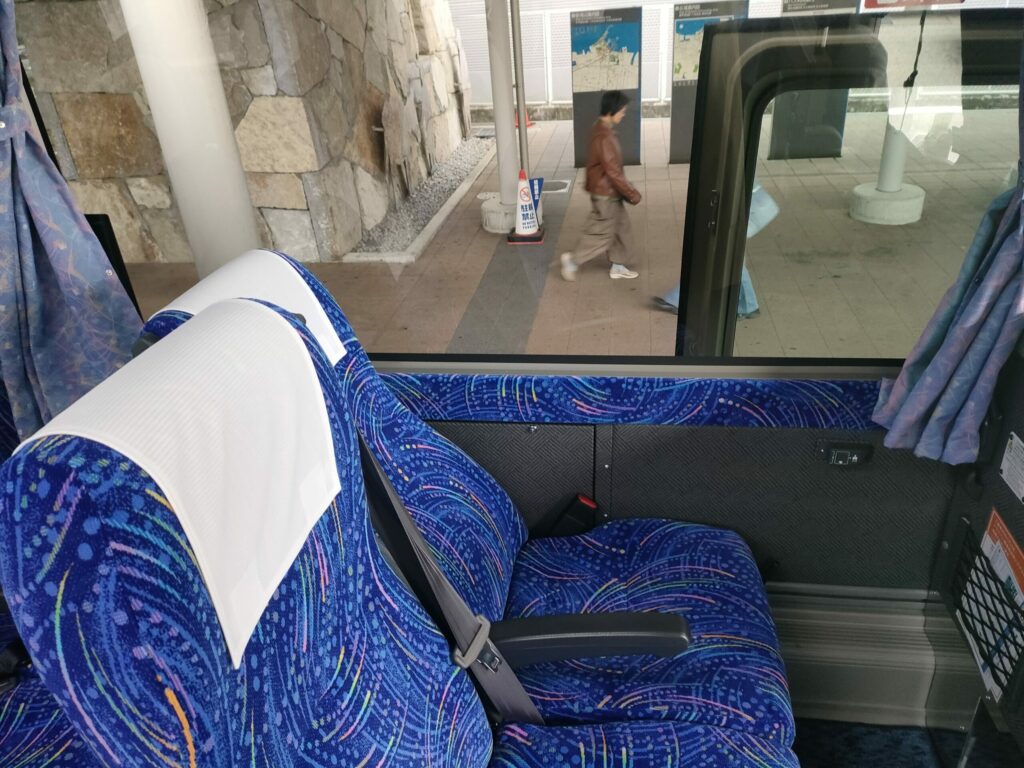
The seats were soft and comfortable, and the reclining angle was deeper than expected.
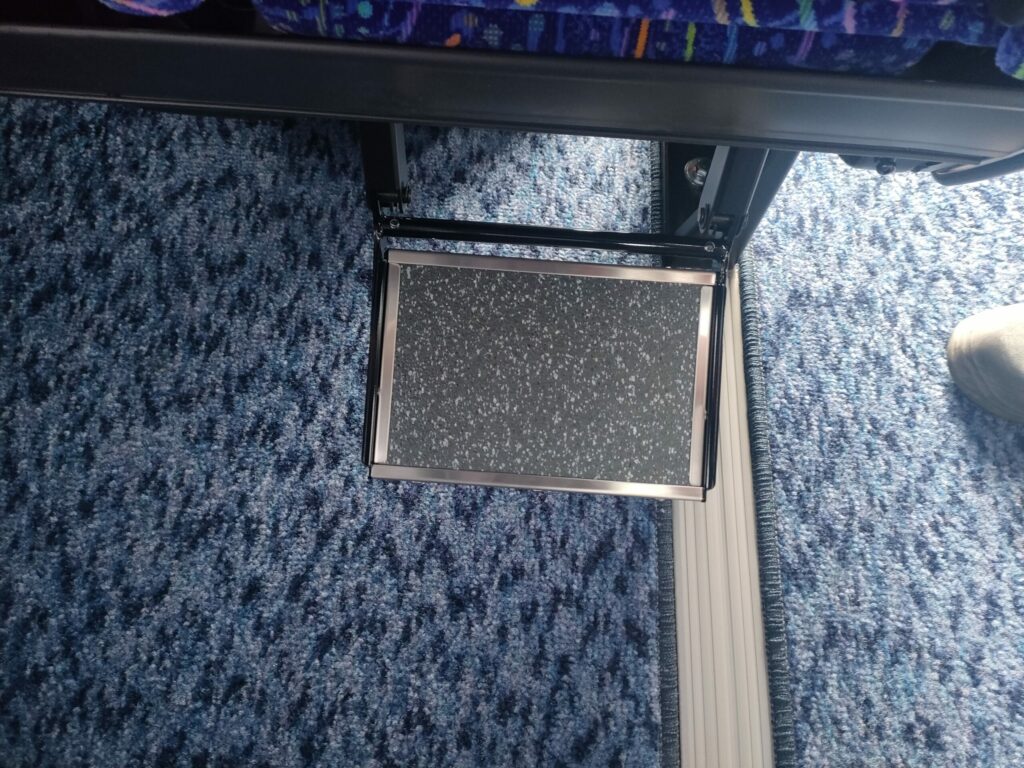
Since we were seated in the front row, there was no footrest, but footrests were available starting from the second row.
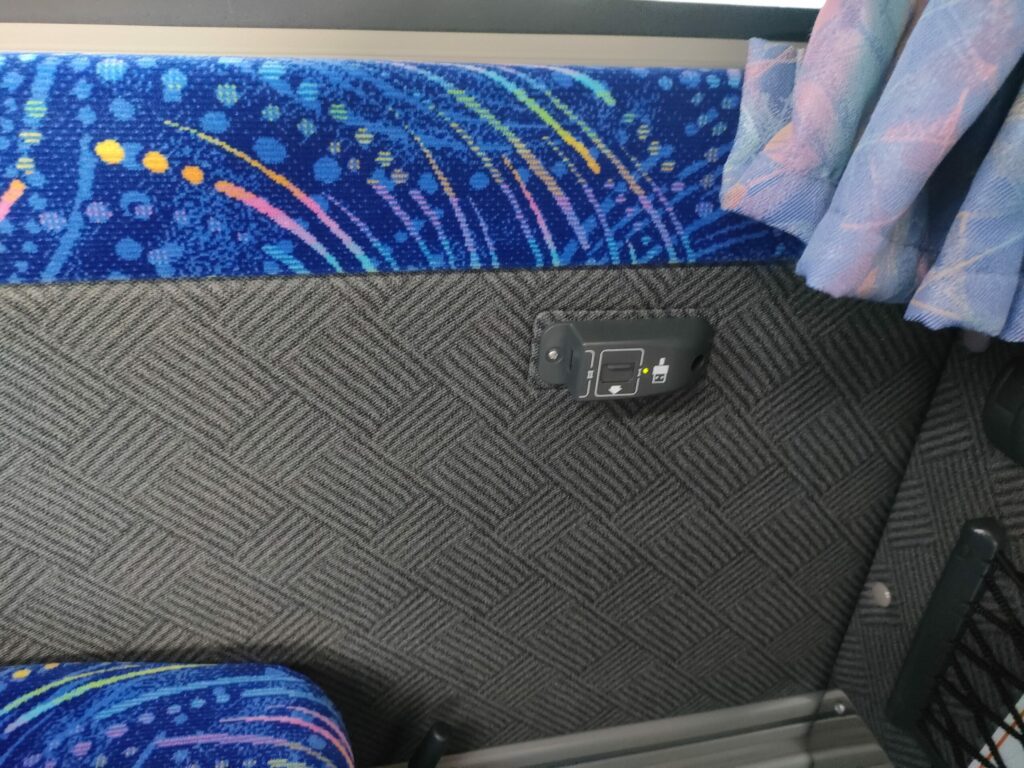
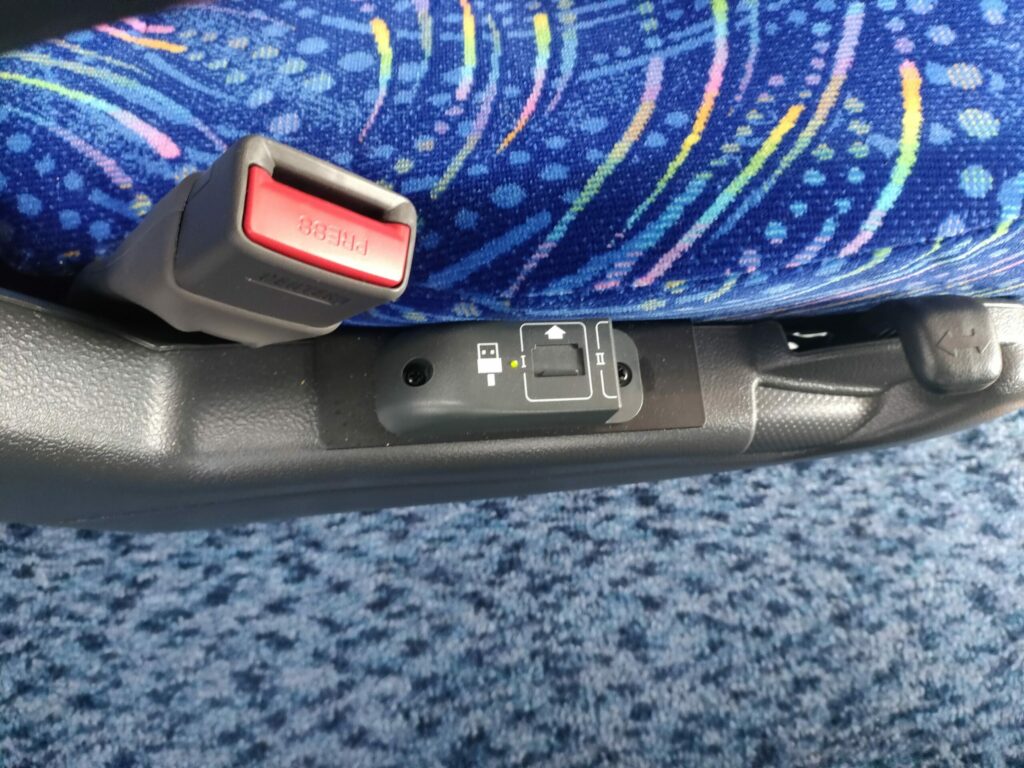
Each seat has a USB charging port. Window seats have them on the wall, while aisle seats have them on the side of the seat. If your device requires something other than USB, make sure to bring the appropriate adapter.
◼︎ Restroom
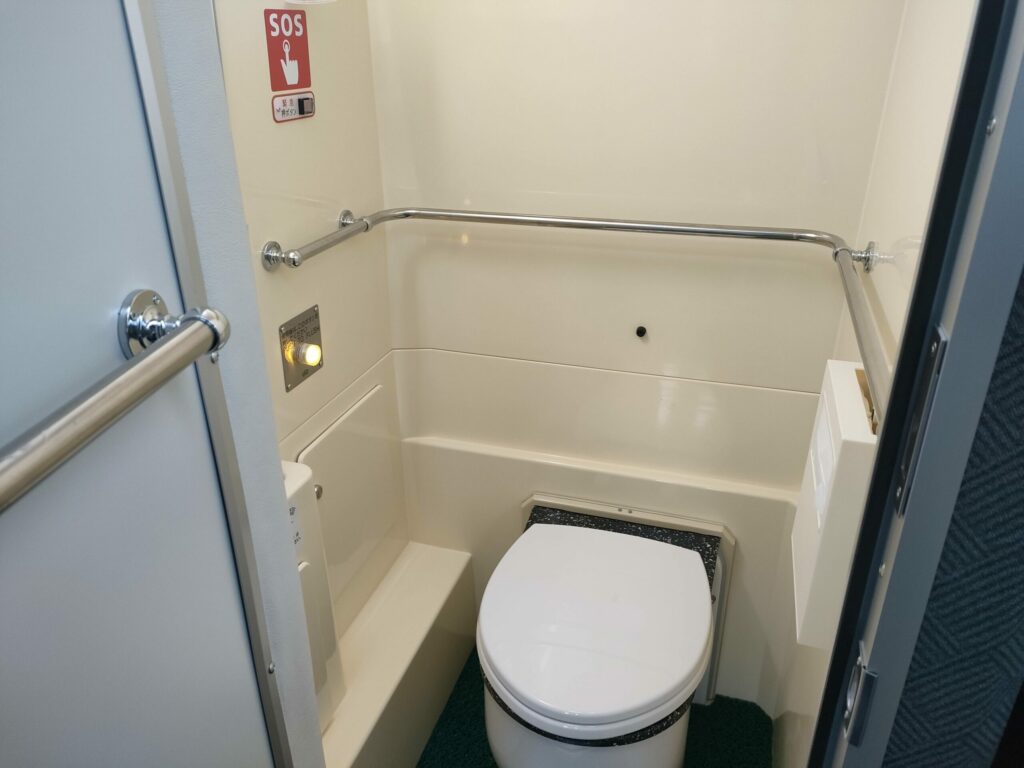
A restroom is located at the back right side of the bus. It was very clean. Although there is usually one rest stop during the trip, having an onboard restroom provides extra peace of mind.
◼︎ Other Facilities
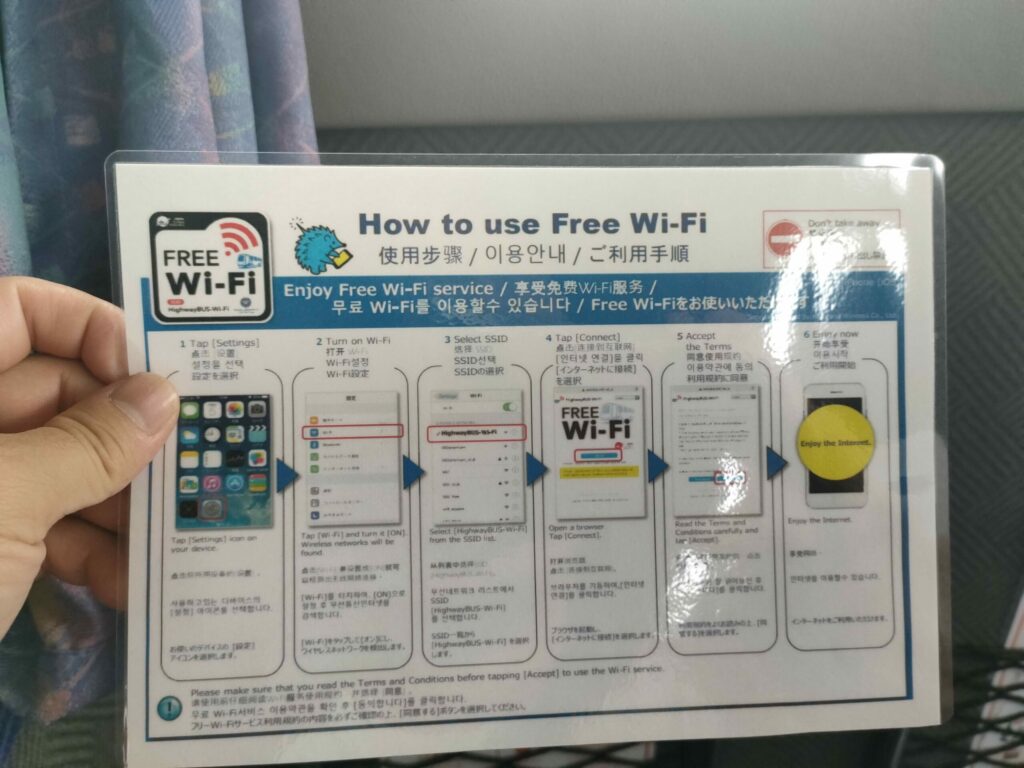
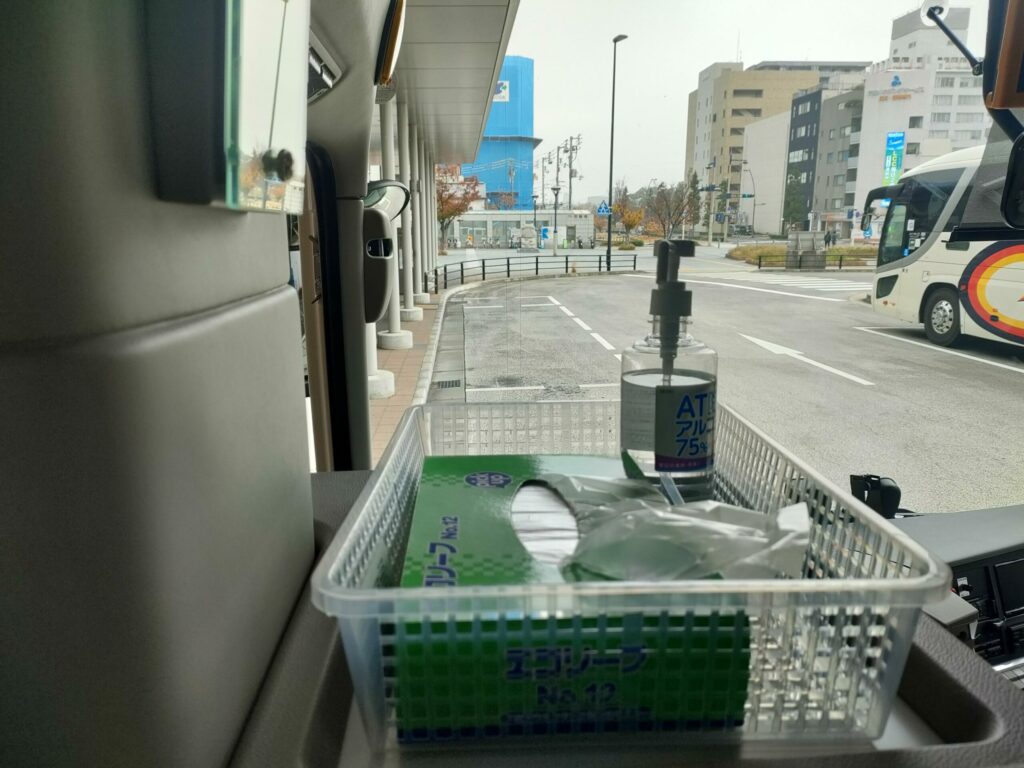
The bus also includes Wi-Fi. At the front of the bus, there were hand sanitizer bottles and motion sickness bags available. Even though the journey is about three hours, these facilities make the ride very comfortable.
Riding the Takamatsu–Kobe/Sannomiya Bus
Here’s what the actual ride from Takamatsu Station Express Bus Terminal to Sannomiya looked like.
As mentioned earlier, this route has many departures, and the stops vary depending on the service, so if you reserved online, make sure not to board the wrong bus.
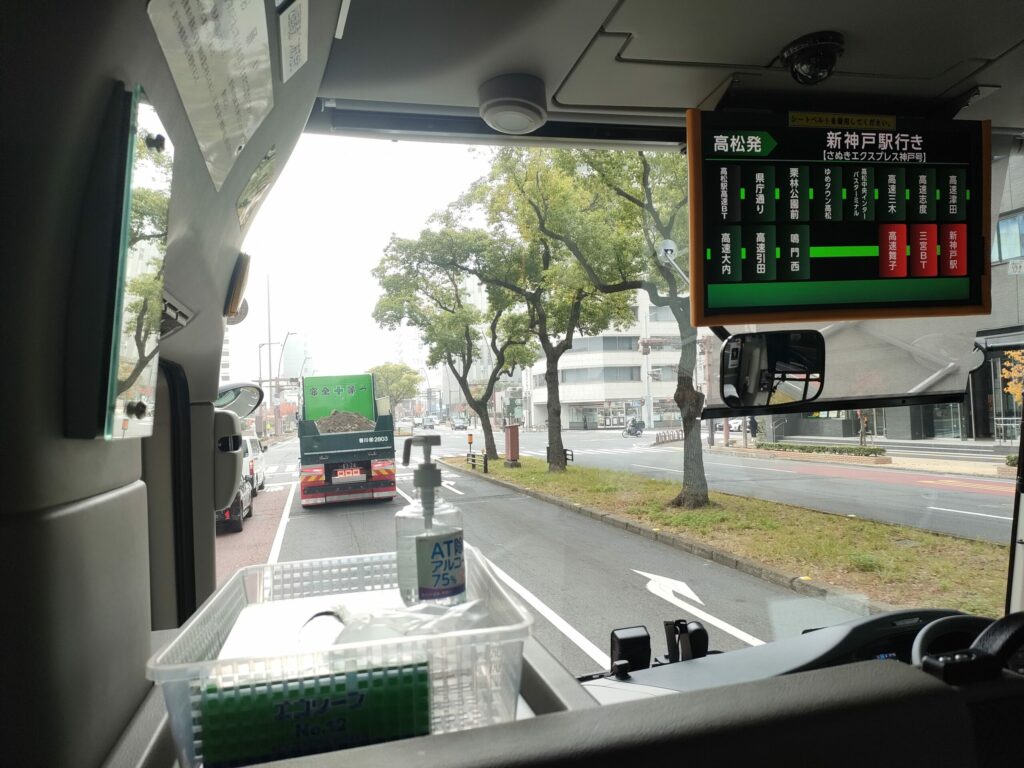
After leaving Takamatsu Station Express Bus Terminal, the bus stops at several locations around Takamatsu City. It also passes tourist spots such as Ritsurin Garden, so many passengers board at stops other than Takamatsu Station.
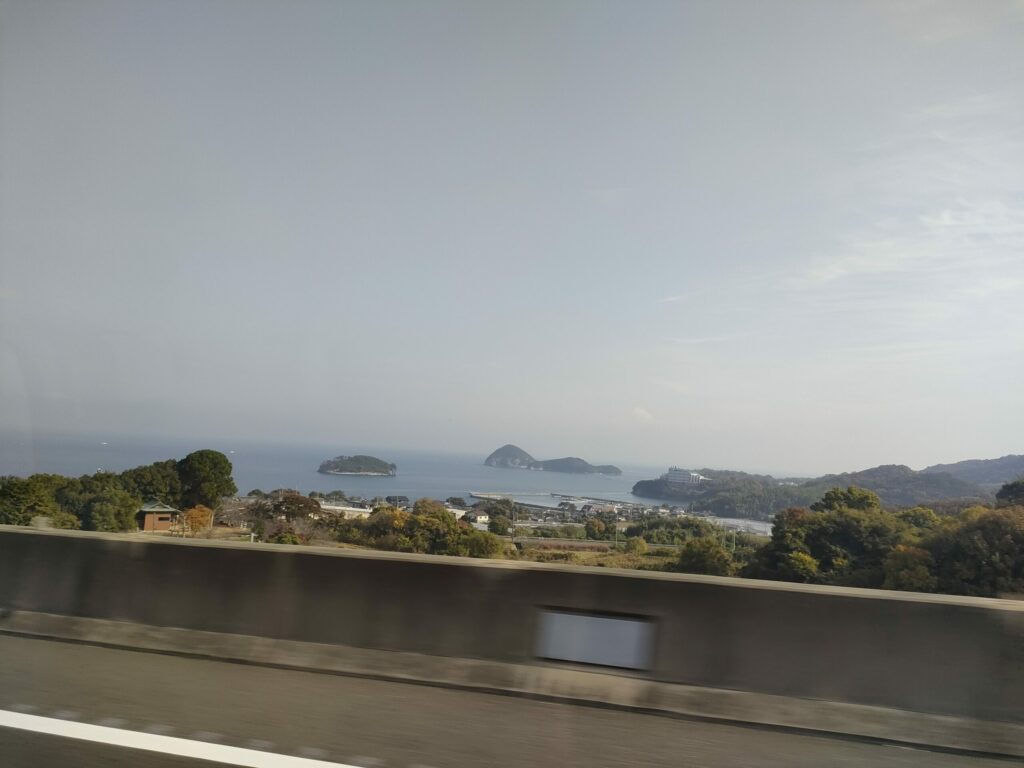
This was the view during the ride. As time passed, the fog cleared and we were finally able to see the Seto Inland Sea.
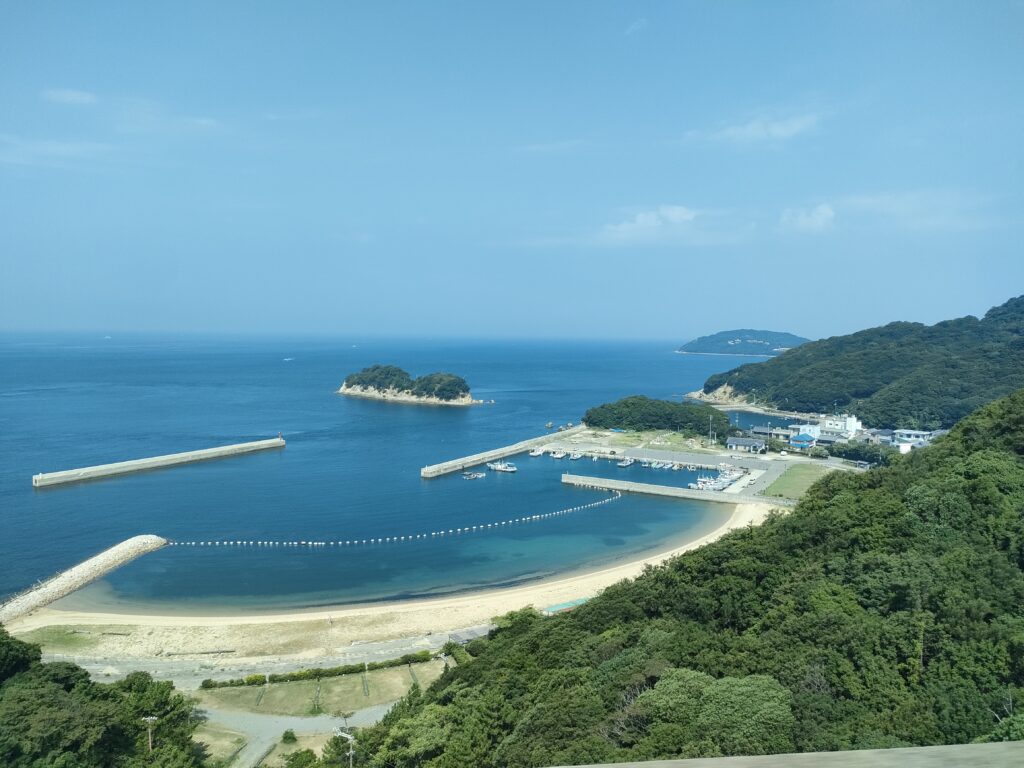
On sunny days, you can enjoy a beautiful view from the window, with the bright blue Seto Inland Sea stretching out before you.
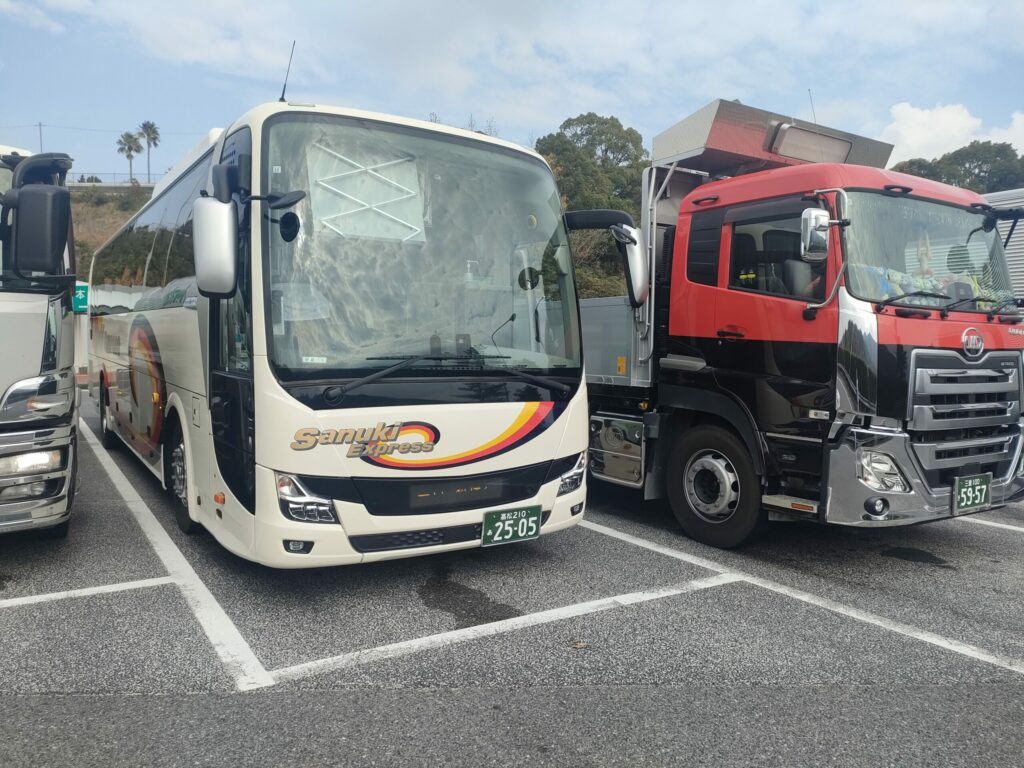
Along the way, the bus stops for a break at the Midori Parking Area on Awaji Island. After passing Awaji Island and Kosoku Maiko in Hyogo Prefecture, the number of buildings gradually increases.
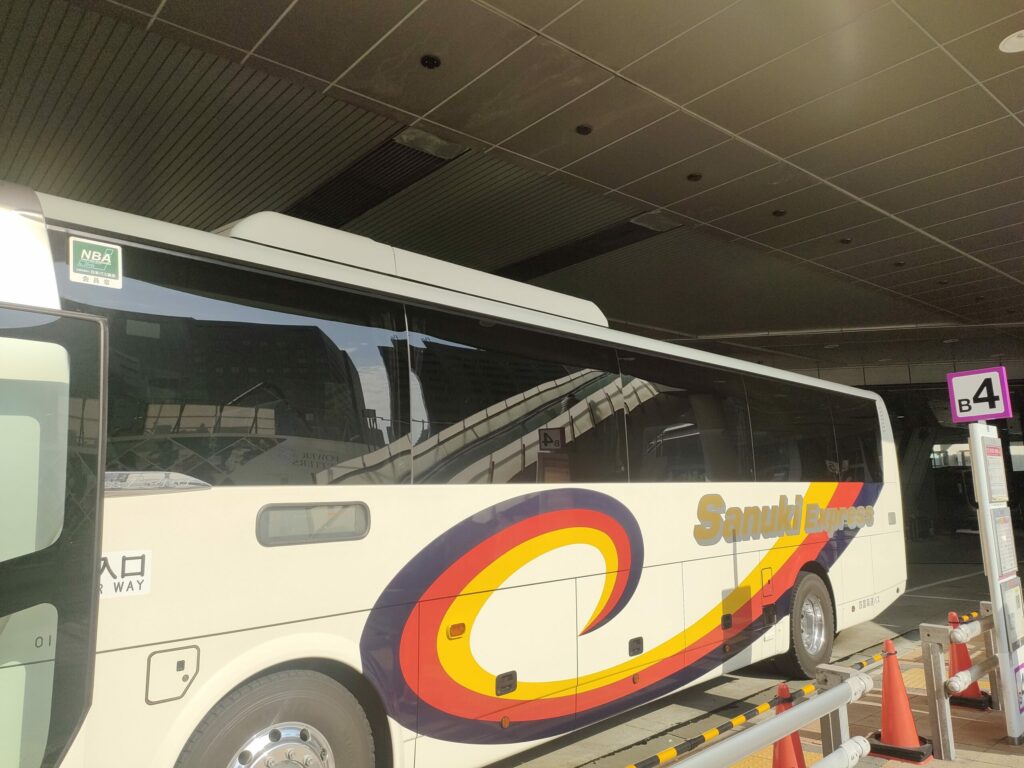
There was a bit of traffic in central Kobe, so the bus slowed slightly, but we still arrived a few minutes earlier than scheduled. Even though it was a weekday daytime service, the bus was more crowded than expected!
Three Recommended Spots to Visit After Arriving in Sannomiya
Finally, here are three recommended places to visit after arriving in Sannomiya. Sannomiya is full of great food and sightseeing spots, many of which you can explore on foot.
◻︎ Nankinmachi (Kobe Chinatown)
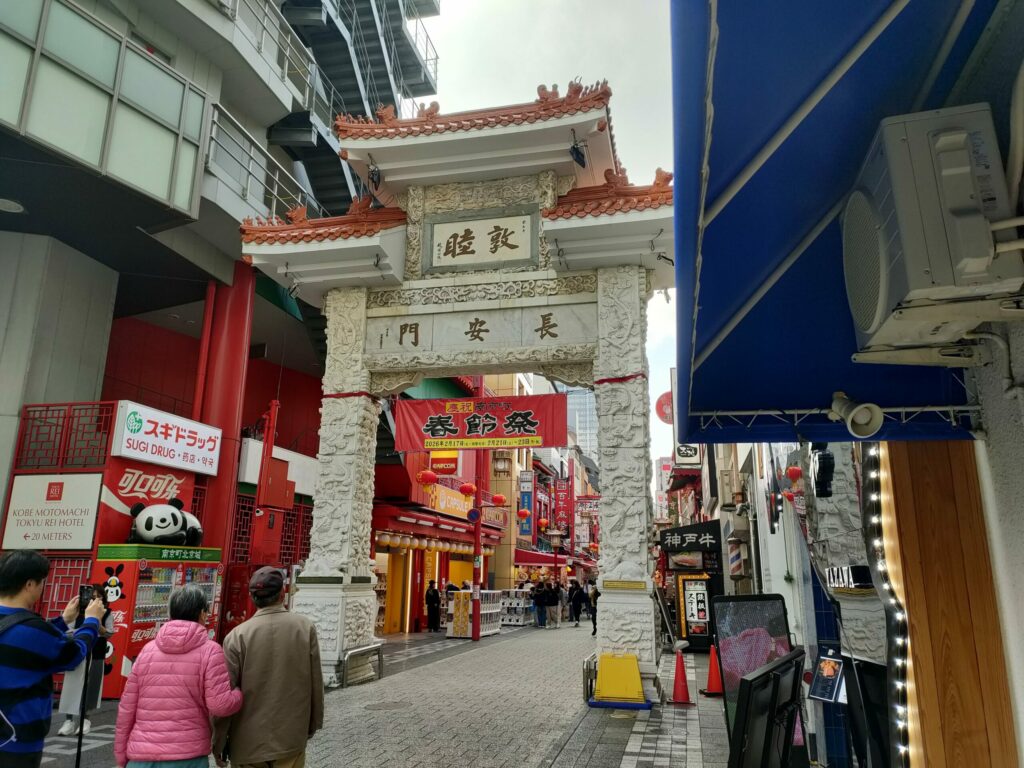
When it comes to food in Kobe, Nankinmachi also known as Kobe Chinatown is a must-visit.
There are many restaurants where you can enjoy authentic Chinese cuisine. Some visitors dine inside restaurants, while others enjoy buying different dishes from street stalls and comparing flavors.
It takes about 20 minutes on foot from Sannomiya Bus Terminal.
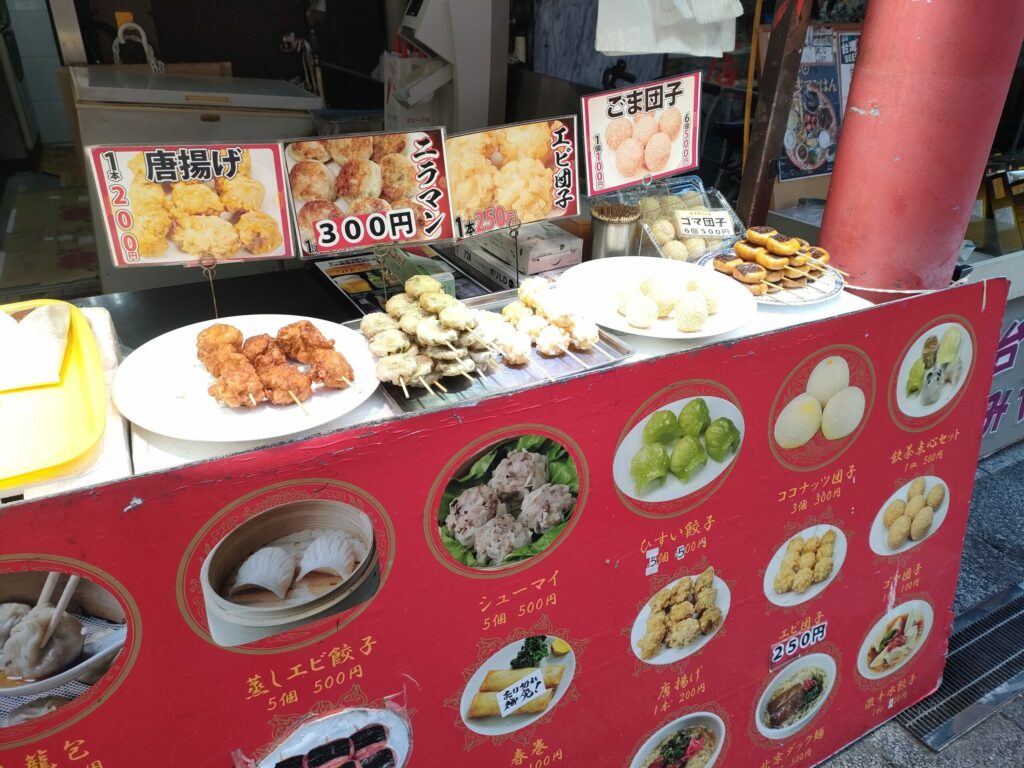
The area is filled with street stalls and is lively throughout the day.
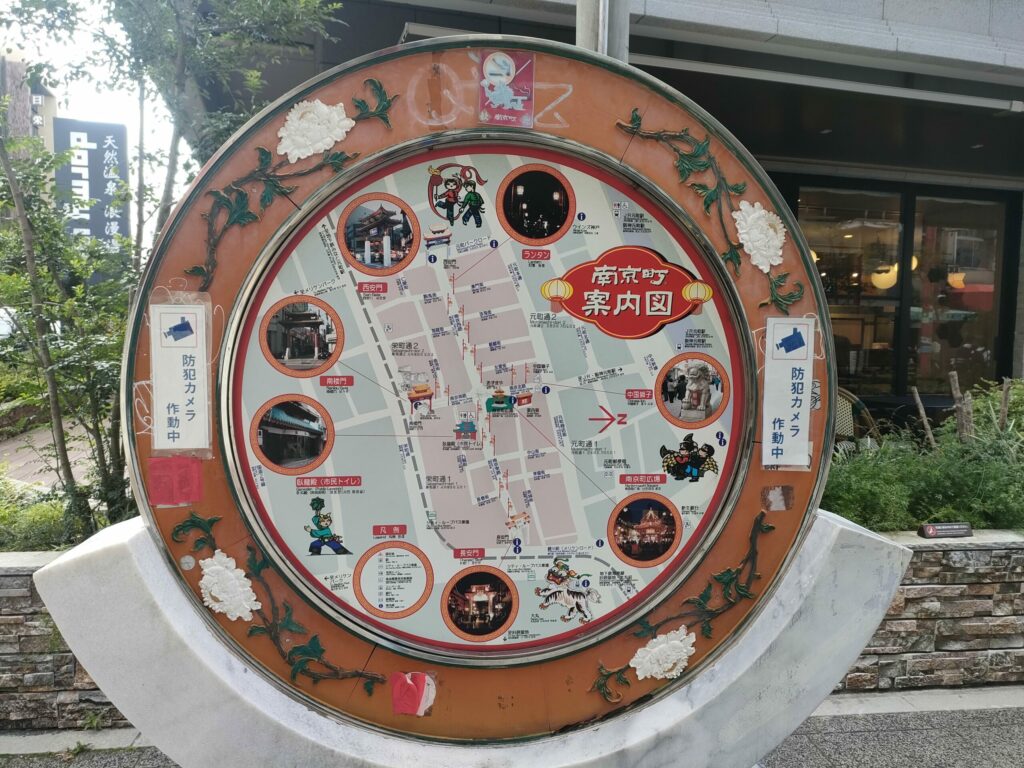
Although the Chinatown area is located near Motomachi Station, the closest stop when arriving by highway bus is Sannomiya Bus Terminal. On the way to Chinatown, you can also enjoy shopping streets and stores along the route.
It’s a great place to explore before heading to your hotel or when you want a quick bite.
◎Basic Information – Kobe Chinatown (Nankinmachi)
| Opening Hours | Vary by store |
| Closed Days | None |
| Google Map | https://maps.app.goo.gl/afdUK2bjyoYzUPM78 |
| Phone | +81-78-332-2896 (Nankinmachi Shopping Street Promotion Association Office) |
| Official Website | https://www.nankinmachi.or.jp/ |
◻︎ Nunobiki Falls
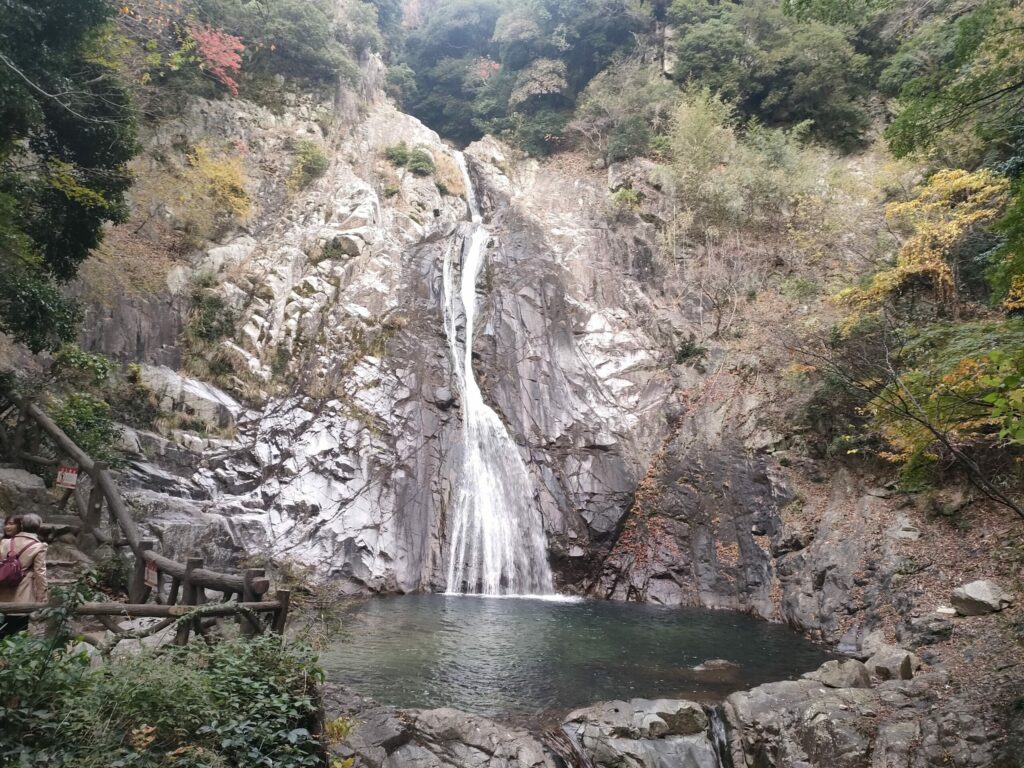
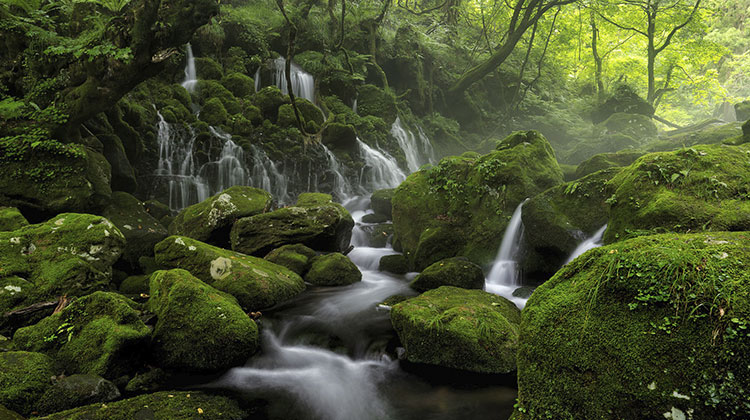
The station next to Sannomiya Station is Shin-Kobe Station, where the Shinkansen stops. Surprisingly, there is a spot where you can see a waterfall just a 10-minute walk from Shin-Kobe Station! The place is called Nunobiki Falls.
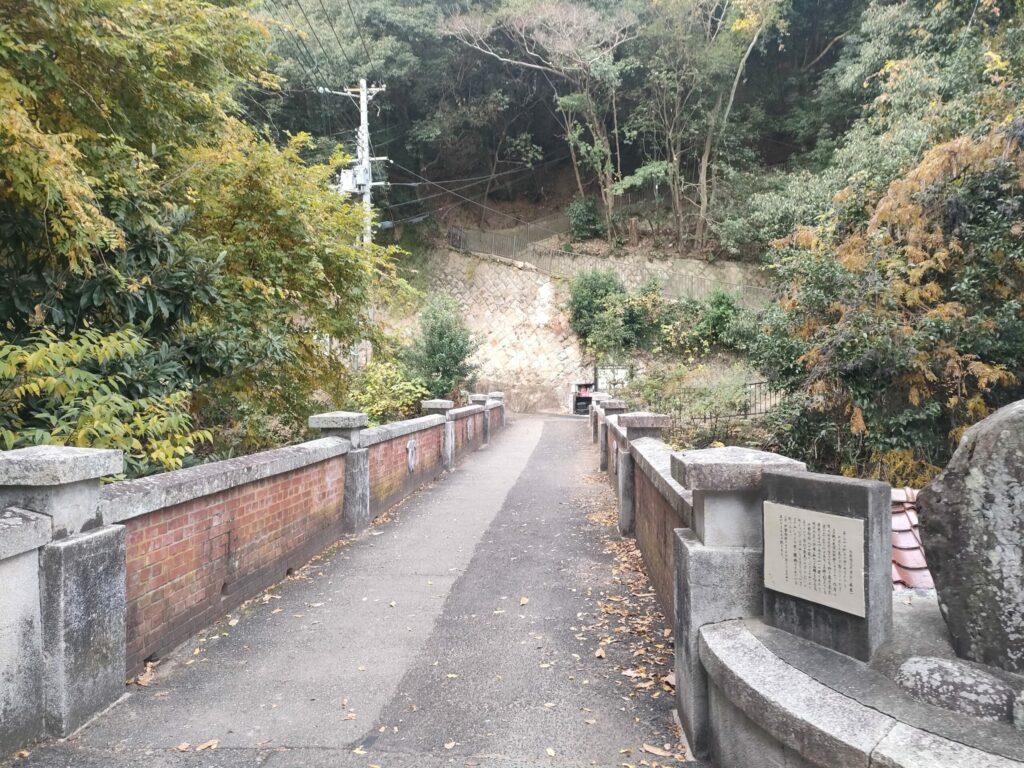
While the seaside area of Shin-Kobe is urban and busy, the mountain side quickly becomes a natural hiking area, with walking paths leading to the waterfall. When visiting for the first time, it’s surprising to see such a real mountain environment so close to the station.
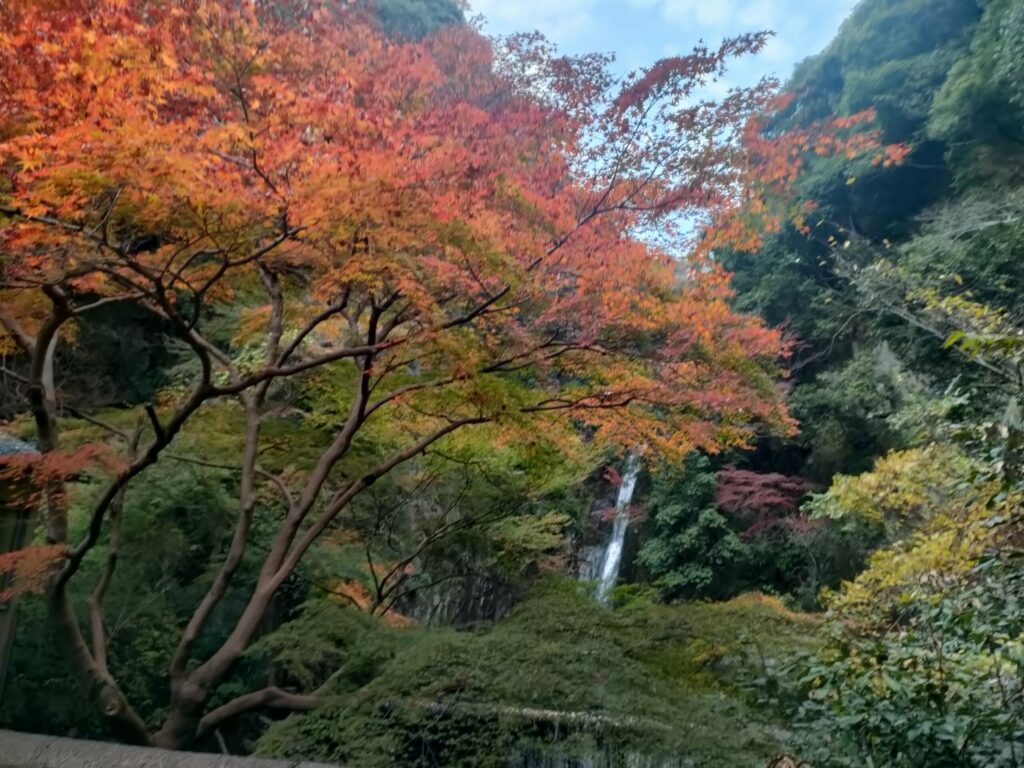
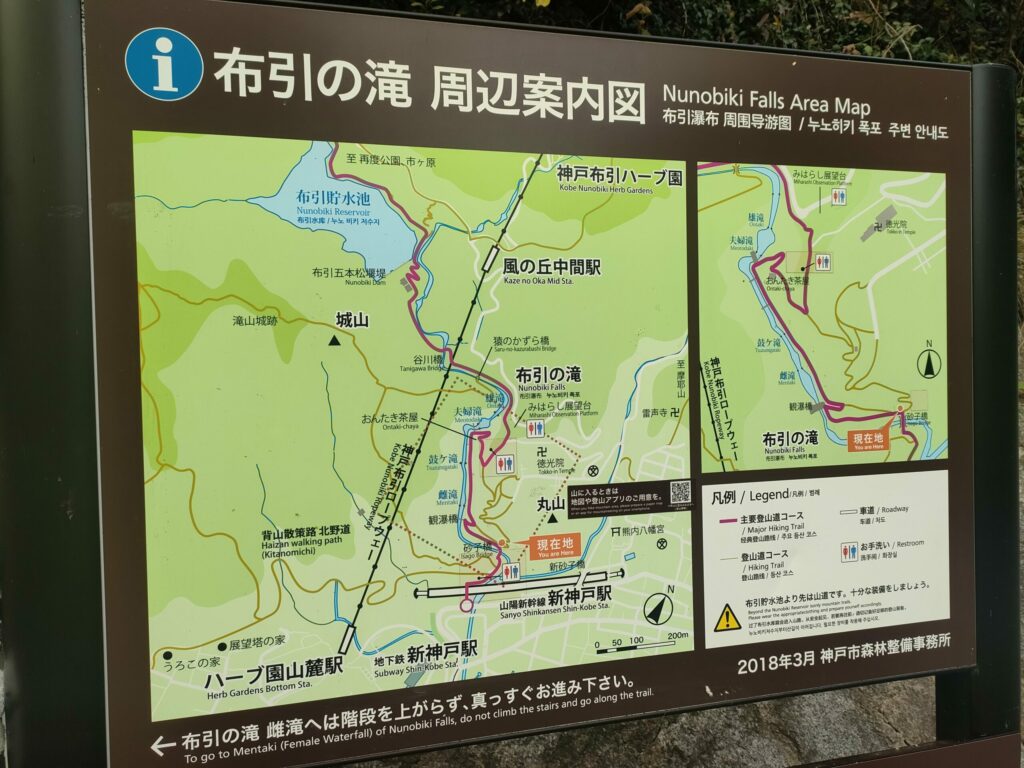
At first, I wondered if the waterfall might be artificial, but after visiting, it turned out to be completely natural and surrounded by greenery.
Kobe is known for being a city where the mountains are close to the sea, and this spot really shows that unique geography.
◎ Basic Information – Nunobiki Falls
| Opening Hours | Open 24 hours (free to explore) |
| Closed Days | None |
| Google Map | https://maps.app.goo.gl/uHVDHMH3A3oUWTXe7 |
| Phone | None |
| Official Website | https://www.feel-kobe.jp/facilities/0000000093/ |
◻︎ Kitano Ijinkan District
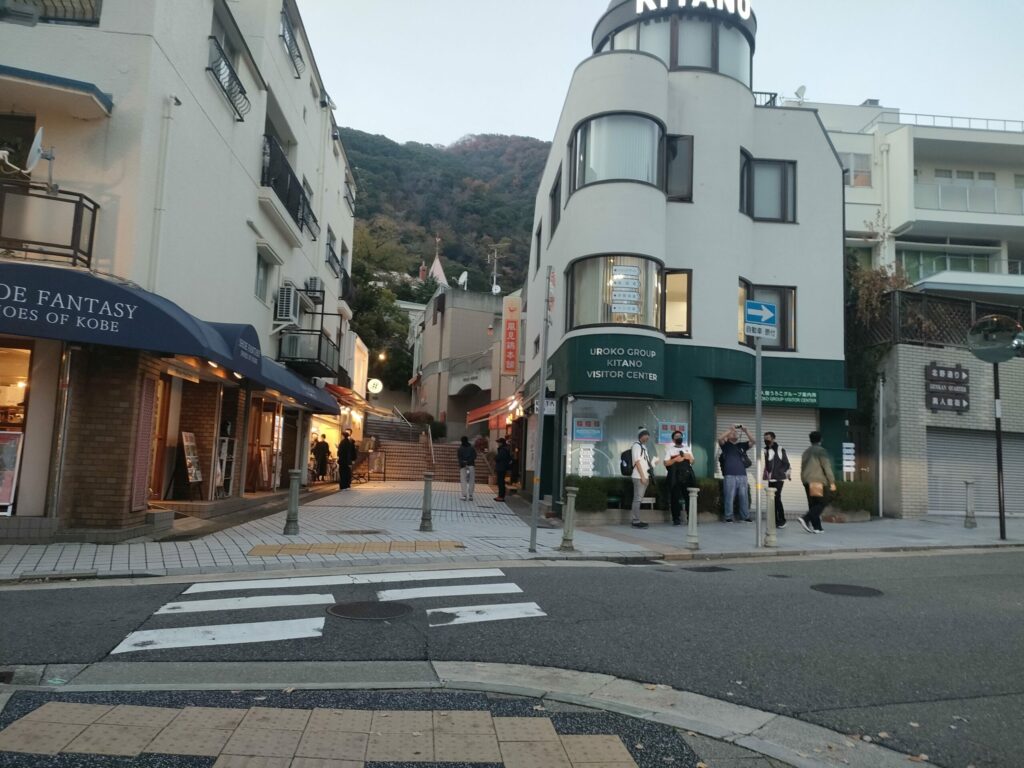
Kobe opened as an international port on June 19, 1858, after the signing of the Treaty of Amity and Commerce between Japan and the United States.
At that time, several ports including Kanagawa, Nagasaki, Hyogo, and Niigata were opened to foreign trade. As a result, many foreign residents gathered in Kobe. In the Kitano area, you can still find many historic Western-style houses known as “Ijinkan.”
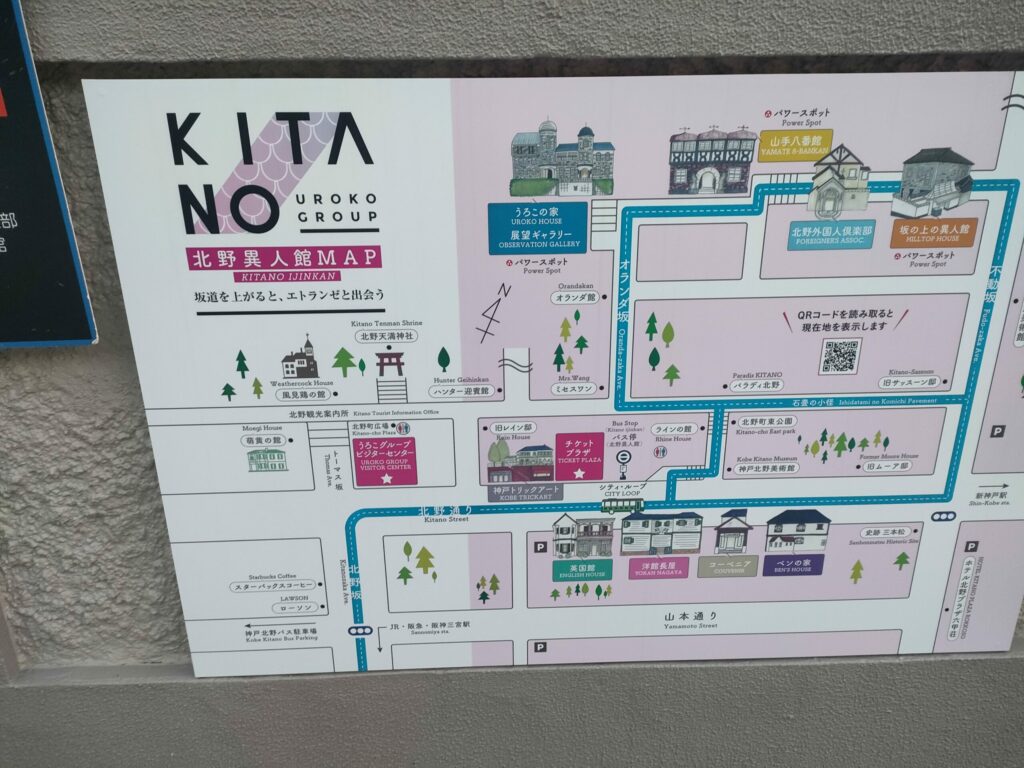
Visitors can tour museums inside these historic houses, and guided tours are also available. There are many cafés as well, making it a perfect place to slowly stroll while learning about Kobe’s history.
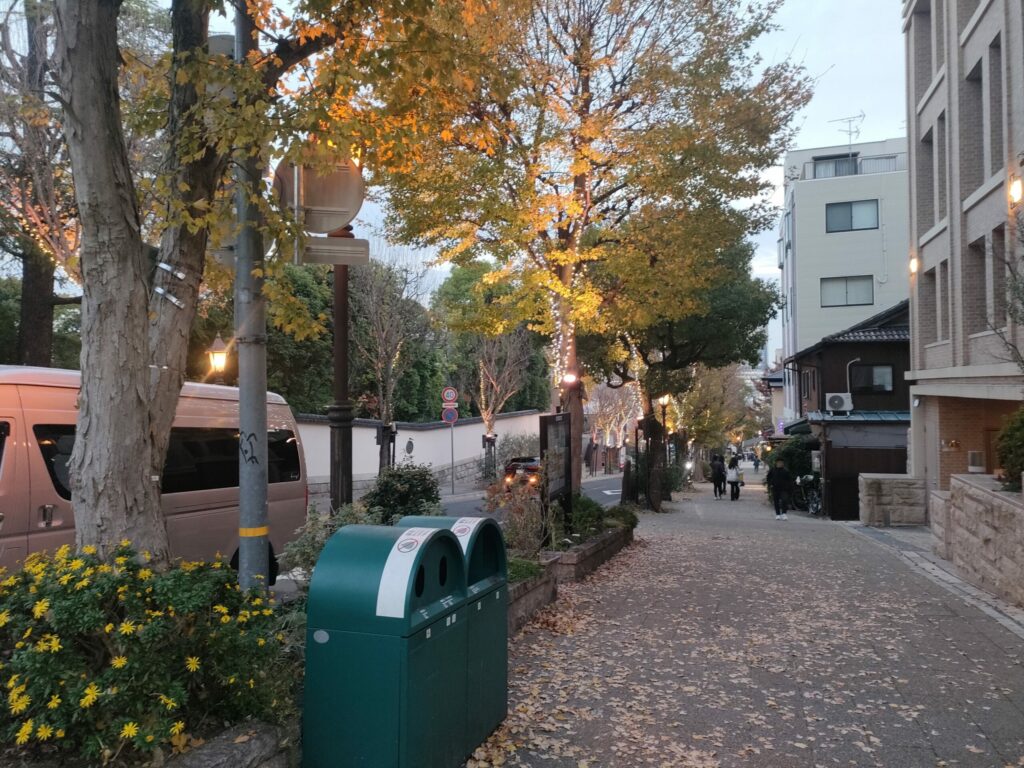
During winter, illuminations light up the area, and simply walking along the streets can make you feel as if you’re visiting another country.
◎ Basic Information – Kitano Ijinkan District
| Opening Hours | Vary by facility |
| Closed Days | Vary by facility |
| Google Map | https://maps.app.goo.gl/5sa6DvmyZGtry88q9 |
| Phone | +81-78-251-8360 (Kitano Tourist Information Center) |
| Official Website | https://www.kobeijinkan.com/ |
The Takamatsu–Kobe/Sannomiya Route: A Convenient 3-Hour Bus Trip
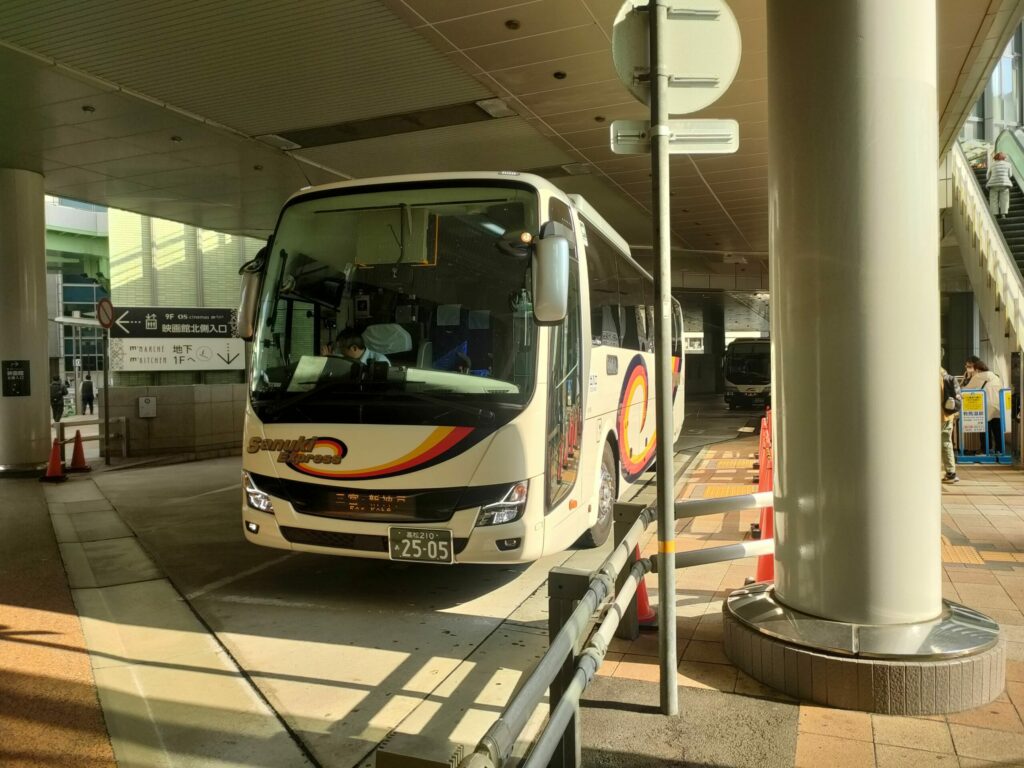
The highway bus makes it easy to travel from Takamatsu to Sannomiya. Enjoy the view of the Seto Inland Sea from the window, take a short nap, and before you know it, you’ll arrive in Kobe’s Sannomiya district.
>>If you’re traveling between these cities, be sure to try the convenient and affordable highway bus.
https://japanbusonline.com/en/CourseSearch/12800080001
Please go to “Japan Bus Online”.
The information in this article is current at the time of writing. It may differ from the lat
Writer